Old Saint Hubert Center
Bir Jdid - 163
Description
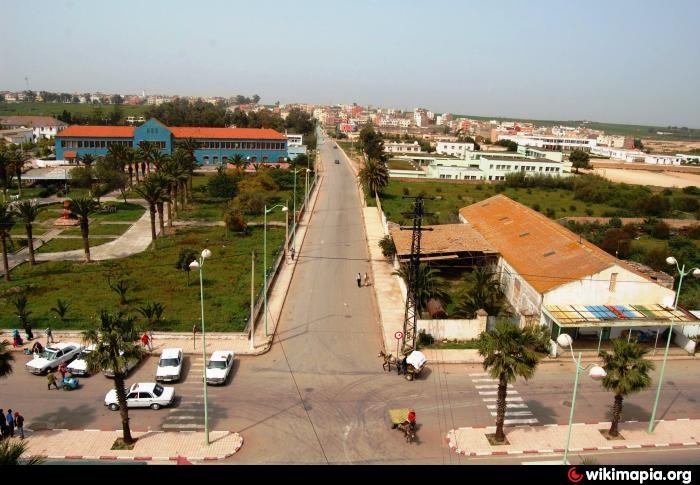
The historical heart of Bir Jdid, originally known as "Saint Hubert" at its founding in 1926, serves as an open architectural archive telling the story of this strategic urban center's birth. Established at the request of a French investor to be a vital link between the economic hubs of Casablanca and El Jadida, its layout reflects early 20th-century European architectural styles integrated with the logistical needs of a rich agricultural region. Walking through this district, one notices the facades of old buildings with long windows and balconies reflecting simple Art Deco influences, now blending with modern Moroccan architecture in a unique harmony that embodies the succession of generations. This center is where the actual "New Well" (Bir Jdid) was located, from which the city derived its modern name, eventually replacing the colonial designation to become a symbol of independent local identity. The historical center also housed the first administrative and commercial core, where trade caravans and agricultural transactions connecting the Chaouia and Doukkala tribes were managed. For those interested in urban heritage, this part of the city offers a rare opportunity to understand how a small roadside stop on National Road No. 1 transformed into a vibrant urban center blending historical charm with future ambitions. Preserving this architectural legacy in Bir Jdid represents a bridge connecting its past as a promising investment zone with its future as a developmental pole seeking to reclaim its historical prominence. Exploring this area is a cultural experience that restores local memory and highlights the city's importance as an indispensable link in Morocco's Atlantic axis.